I was all set to drop a blog post on Sunday, but surprise, surprise! Sunday had a different agenda thanks to some Saturday shenanigans. So here I am, taking charge and refusing to let setbacks hold me back because I’m way tougher than that. My inner strength is on fire, and I know God has got my back. With that hurdle cleared and the elephant booted out, let’s dive into a deep thought that’s been on my mind: Am I truly broken? Am I beyond repair? Has life thrown so much at me that I’m beyond healing? This question has been on repeat in my head all week long. Life has been challenging, and one thing I am certain of is that as a child, the enemy targeted me with trauma because he recognized God’s significant plans for my future. Of course the enemy opposes the success of a black girl from the projects who overcame adversity to achieve her goals. Consequently, I constantly face opposition due to the favor God has bestowed upon me.
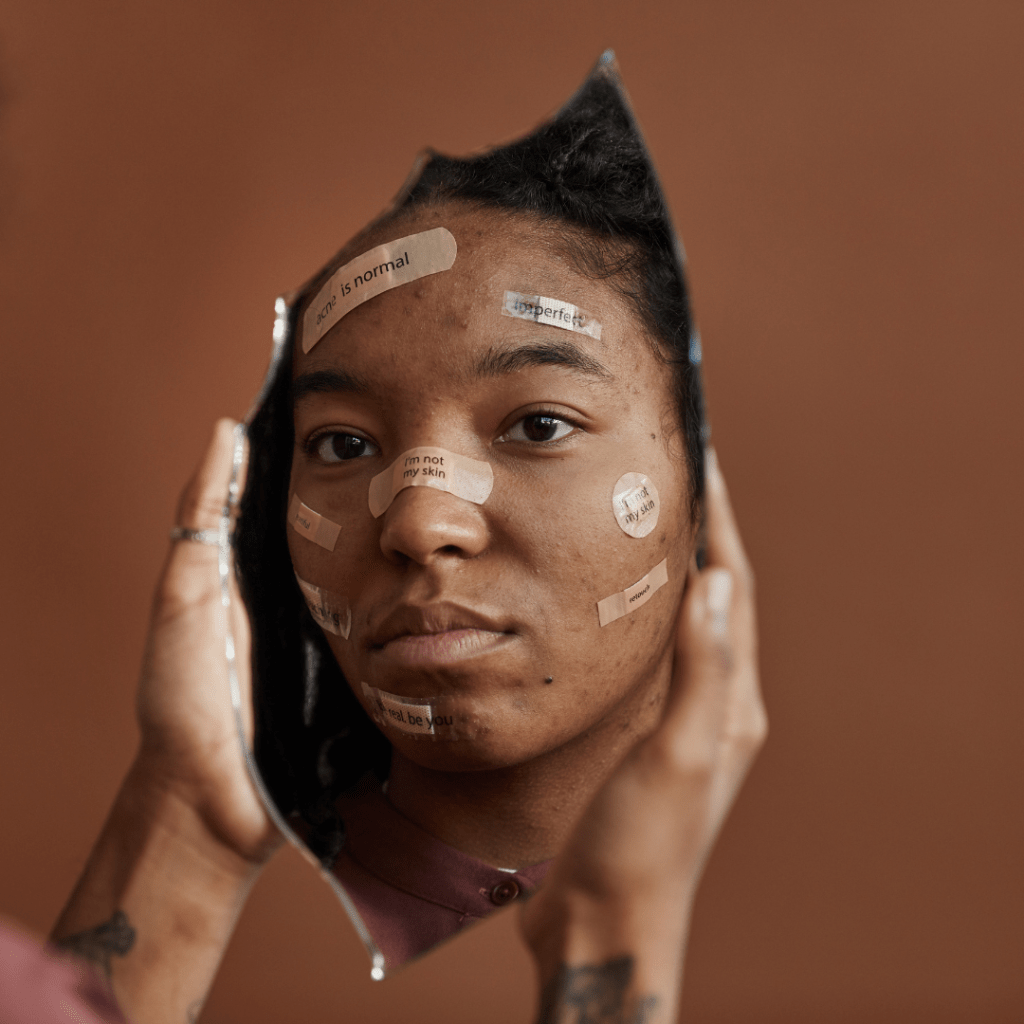
When I gaze into the mirror, I see beauty reflected back at me. I notice my high cheekbones that I once disliked, but now embrace. The mole, reminiscent of my mother, adds character. Dimples and the charming gap between my teeth also catch my eye. Yet, peering deep into my brown eyes reveals layers of hurt, sadness, and regret. While outwardly praised for my appearance, my inner focus is on healing, as there are areas within me that need attention. Reflecting honestly, I can’t recall a time when I felt completely whole. If given the chance to reset, I would choose to go back to age 10, armed with knowledge to advocate for myself and seek help earlier to avoid the struggles I face now. Before composing this blog, I conducted research on women’s feelings of brokenness. I explored the reasons behind why many women experience this sense of brokenness and consolidated my discoveries into a single paragraph.
The paragraph: Many women face challenges in adulthood, feeling broken and struggling with a sense of unworthiness. This stems from a mix of unaddressed childhood trauma, societal expectations, cultural pressures, and personal experiences that distort their self-perception. From a young age, women are pushed to excel in all aspects of life, leading to unrealistic standards of beauty, success, and behavior that chip away at their self-esteem. This continuous cycle can leave women feeling shattered, unable to regain their sense of wholeness. Many women’s struggles stem from feeling unheard in their youth, and as they enter adulthood, societal pressures add to their existing trauma. Dealing with discrimination, bias, and accumulated traumas further complicates matters, leading to internalized feelings of failure and self-doubt. These challenges make it difficult for women to feel confident and valued as they navigate life. Without self-assurance & confidence, women often feel empty, broken, and undeserving. While statistics and societal norms suggest many women struggle to break free from these cycles, I choose to defy these expectations. I am determined to be different, so I can achieve complete wholeness!!
So with that said we will no longer allow anything or anyone to keep us broken. How do we do this. First we must acknowledge and accept that feeling broken or overwhelmed is a common experience that many people, including women, encounter at some point in their lives. You are just as strong as any other woman, even if you feel broken. Remember, broken crayons can still create art. So, the initial step is acknowledging this! To overcome the effects of what led to our brokenness, we need to address its root causes and prioritize self-care. Through my research, I discovered that prioritizing self-care is an effective way to reduce feelings of unworthiness. Prioritize activities that nurture your physical, emotional, and mental well-being. This could include exercise, healthy eating, adequate sleep, and hobbies that bring joy and relaxation. I enjoy exercising because of the endorphins it releases! Engaging in self-care can trigger the release of endorphins. Did you know that Endorphins are chemicals produced naturally by the nervous system to cope with pain or stress. They are often referred to as “feel-good” hormones because they act as natural painkillers and mood elevators. Endorphins offer six significant benefits that I would like to share with you:

- Pain Relief: Endorphins interact with the receptors in the brain that reduce the perception of pain. This is similar to how some pain medications work, but endorphins do it naturally.
- Stress Reduction: They help mitigate the effects of stress, promoting a sense of well-being and relaxation.
- Mood Enhancement: High levels of endorphins can lead to feelings of euphoria and general happiness. This is sometimes referred to as the “runner’s high” experienced after prolonged physical activity.
- Immune System Boost: Some studies suggest that endorphins can help improve the immune system by reducing stress hormones that can weaken the body’s defense mechanisms.
- Improved Sleep: By reducing stress and pain, endorphins can contribute to better sleep quality.
- Appetite Control: Endorphins can also play a role in regulating appetite and food cravings.
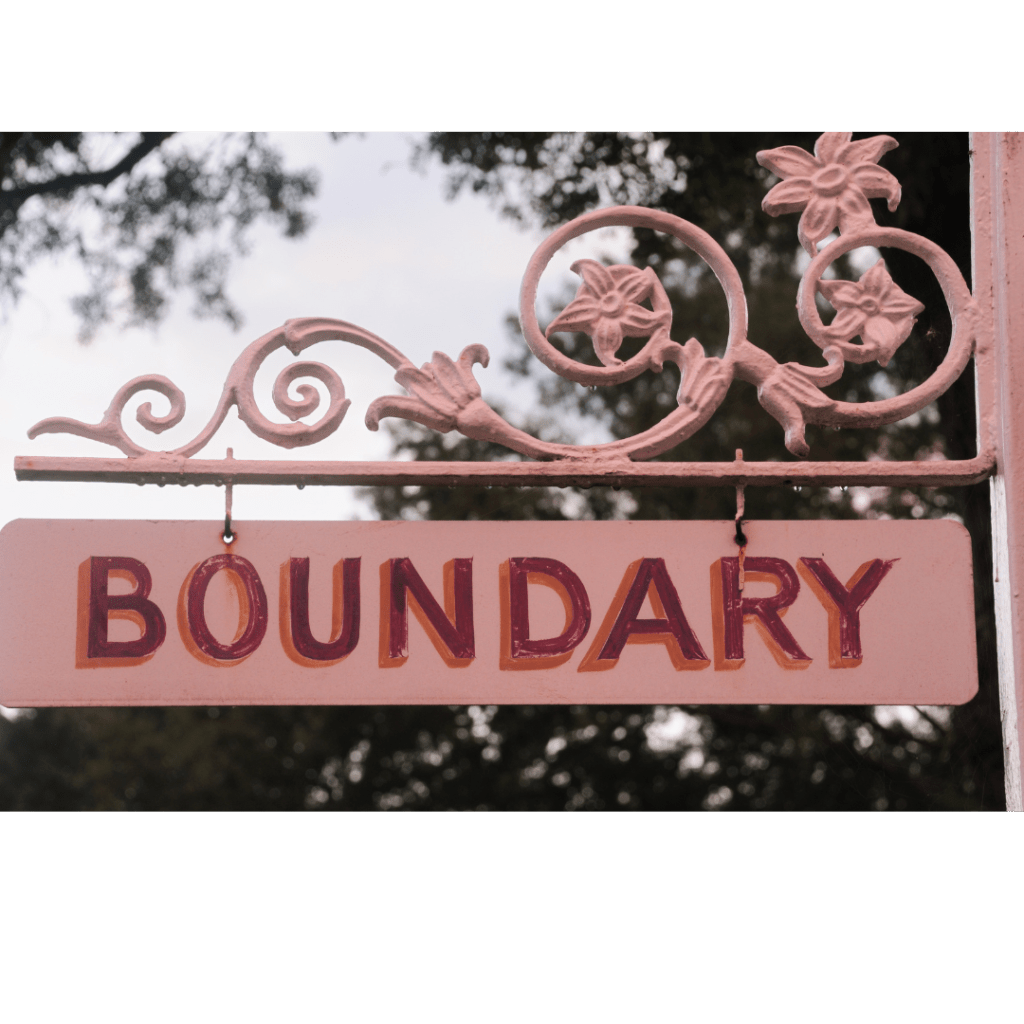
The main point is that we must make sure we are taking great care of ourselves. Setting boundaries is another effective method for restoring a sense of wholeness. While it may seem cliché, boundaries play a crucial role in the healing process. By learning to say no and setting clear boundaries, you can safeguard your time and energy, ultimately preventing burnout and making room for self-care and relaxation. Lack of boundaries can lead to recurring hurt, highlighting the significance of establishing and maintaining them. Make sure to define your boundaries. I have personally found success in this practice. At first, establishing boundaries was hard because I was reluctant to upset anyone. Eventually, I understood the importance of prioritizing myself. I prefer someone being upset with me and not speaking for a few days than feeling mentally, emotionally, and physically drained myself. Here are a few tips that have been useful for me in setting boundaries.
- Know Your Limits: Understand what you are comfortable with and what you are not. This self-awareness is the foundation of setting boundaries.
- Communicate Clearly: Be direct and honest when expressing your boundaries. Use “I” statements to convey your feelings and needs without blaming or accusing others. For example, “I feel overwhelmed when I receive calls after 9 PM. Can we talk earlier in the day instead?”
- Be Consistent: Once you set a boundary, stick to it. Consistency reinforces your limits and helps others understand and respect them.
- Learn to Say No: It’s okay to decline requests or invitations that make you uncomfortable or overextend you. Saying no respectfully can protect your time and energy.
- Set Emotional Boundaries: Protect your emotional well-being by distancing yourself from negative influences or toxic relationships. It’s okay to limit interactions with people who drain your energy or make you feel bad.
- Be Assertive, Not Aggressive: Assertiveness means standing up for yourself in a respectful way. Avoid aggressive or confrontational language; instead, calmly and firmly state your boundaries.
- Seek Support: Surround yourself with people who respect your boundaries and support your decisions. It can be helpful to talk to a trusted friend or a professional if you’re struggling to set or enforce boundaries.
- Expect Resistance: Some people may push back when you set new boundaries, especially if they are used to a certain dynamic. Stay firm and patient, and reiterate your needs as necessary.
- Reflect and Adjust: Periodically review your boundaries to see if they are still serving you well. Life changes, and so might your boundaries. Don’t be afraid to adjust them as needed.
After establishing and maintaining boundaries, it’s super important to be selective about the company you keep.Surround yourself with individuals who respect and support your boundaries. Seek out friends and family who provide encouragement, understanding, and a compassionate ear. Avoid negative influences like “Negative Nancy” or “Negative Nathan” in your circle. Alright, we covered self-care and boundaries, but let’s not forget about mindfulness, following your passions, and embracing gratitude.
I firmly believe that achieving a sense of wholeness and inner peace is closely tied to practicing mindfulness. One of my preferred mindfulness techniques is meditation, where I can sit quietly anywhere, focus on deep breathing, and center my thoughts on positivity, which uplifts my spirits. Activities like meditation, deep breathing, and yoga are beneficial for enhancing mental clarity through mindfulness. Personally, I am striving to be more mindful to prevent negative and unhealthy thoughts from overwhelming my mind daily. One helpful habit I am practicing is to challenge negative thoughts and substitute them with positive affirmations. I do this by speaking out loud to myself about my strengths, accomplishments, and the good things in my life. By focusing on my thoughts, I strive to remain present and centered. I’m interested in your mindfulness routines. Share them in the comments below; I’m excited to discover new approaches.
Once we have embraced mindfulness and trained our minds, the next step is to pursue our passions. What activities do you enjoy? What do you think your purpose is? Are you ready to follow your dreams? If not, start engaging in activities that ignite your passion. Personally, I find joy in writing. Writing has a profound effect on me, making me feel content inside. It has given me peace during life’s storms. Pursuing our passions can give us purpose and fulfillment, countering feelings of emptiness or brokenness. If you are unsure of your purpose, consider setting achievable goals. Break them down into smaller steps so each accomplishment feels like a milestone. When setting goals and pursuing your passions, steer clear of comparing yourself to others, particularly on social media. There was a period when I had to take breaks from social media due to excessive comparisons. Observing others was hindering my progress, so I had to remind myself that everyone’s path is unique, and comparisons only lead to feelings of inadequacy. I Trust that we are exactly where God meant for us to be! So we must resist the urge to measure ourselves against others. I’ve explored various endeavors before discovering my passion for writing. From photography and painting to blogging, social media influencing, advocacy, and life coaching, I tried different paths before finding peace in putting my thoughts and emotions into words on paper. Don’t be too tough on yourself when it comes to discovering your purpose; it will unfold naturally as you become mindful of the activities or hobbies that bring you genuine happiness.
The final aspect I want to emphasize regarding transitioning from brokenness to wholeness is having gratitude. Life has taught me that being thankful can truly propel you forward.I have not felt ungrateful for a long time because I was humbled by God a while back. Now that I’m in my thirties, I realize the importance of being grateful for the lessons I learned in my twenties. I am truly thankful for the insights gained during that time as I discovered a lot about myself. I used to think I knew it all until I experienced a challenging divorce that felt like a hurricane. Today, I appreciate the experience of that toxic divorce because it taught me valuable lessons on setting boundaries and prioritizing self-worth above all else. I giggle while writing that last line; because at the start, I questioned my brokenness and if I could ever heal. What I’ve realized now is that I bravely ended a long relationship, moved to a new place with my two kids, and established a routine within three months, all while feeling shattered inside. This experience taught me that I can transition from brokenness to wholeness. I am determined to regain my sense of self, no matter how much effort it takes, because I deserve peace and happiness, just like you do. Remember, we are not meant to suffer; we are here to journey with faith until we return home with our Heavenly Father. These realizations have uplifted me, reminding me that God is always close and will never abandon or forsake me.
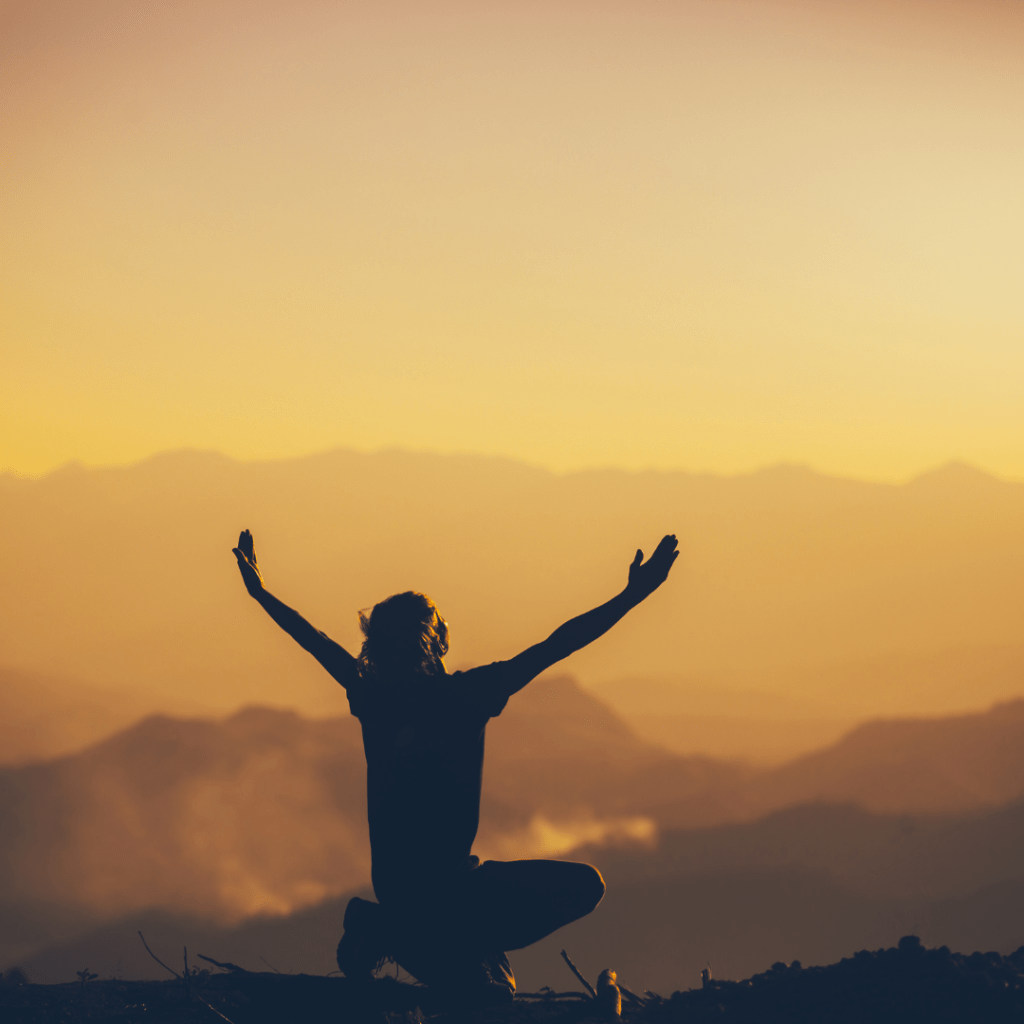
I am truly grateful for my family, prayer warrior friends, church community, and the resilience that God has granted me. The storms I’ve faced have shaped me, and without them, I wouldn’t have come this far. Thank you, God, for the strength gained from trials and tribulations! As we conclude this blog, here’s a parting thought. When feeling broken, combat negative thoughts by recalling a time of despair, then reflect on how God intervened and restored you. Remember, tough times are navigable with God’s guidance. A rough day, week, or month doesn’t equate to a bad life – things will improve! Thank you for reading; see you next week! And always remember, healing is within everyone’s reach.

Leave a comment