You know that heart-sinking moment after a breakup when you feel like you’ve been hit by a bus? You’re convinced this person is your soulmate, and the thought of life without them hits your heart like a never-ending rollercoaster of heartache! Everything reminds you of them, and you’re just wallowing in a puddle of despair. But what if I told you that this gut-wrenching feeling is actually the first step toward your breakthrough? Sounds crazy, right? Trust me, I was in the same boat, drowning in heartbreak and thinking I’d never see the light again. But guess what? Spoiler alert: it got better!
Throughout my life, I have experienced three significant breakups, each one distinct in its own way. These relationships occurred during different phases: young adulthood, adulthood, and mature adulthood. However, one common realization emerged after three months: each breakup turned out to be a blessing, a valuable lesson, and a form of rebirth for me. I view breakups from a spiritual perspective, seeing them as part of God’s divine timing and plan for my life—who am I to question that? While we all possess free will, I believe that when two people are meant to be together, it becomes evident; the relationship flows smoothly. Even if disagreements arise, they don’t escalate into hurtful arguments. Conversely, when you find yourself with someone who isn’t meant for you, it often feels like an endless cycle of pain—experiencing happiness, only to be hurt again, creating a dependency on that cycle. This toxicity can become so normalized that walking away becomes incredibly difficult. I felt compelled to write this blog because during the holiday season, I went through one of the hardest breakups of my life, feeling a profound sense of loss, as if I were grieving a death. However, at this point in my life, I see things quite differently. I firmly believe that breakups serve as God’s way to either facilitate healing for both individuals, allowing them to reunite stronger and better, or to separate them permanently so they can embark on new beginnings.

Did you know that the holiday season is one of the peak times for breakups? Millions across the globe are currently grappling with heartache from relationship endings. I conducted some research on this phenomenon, and here’s what I discovered: Breakups during the holiday season are strikingly prevalent, with numerous studies indicating a rise in relationship dissolutions throughout December. December 11 has even been informally named “Breakup Day,” recognized as the most common date for couples to separate.
Key Statistics:
• Pre-Holiday Breakups: Analyses of Facebook status updates reveal a surge in breakups during the two weeks leading up to Christmas.
• Holiday-Related Stress: Approximately 40% of individuals consider ending their relationships to avoid the pressures of holiday gift-giving and obligations.
• Divorce Considerations: In a survey of over 1,000 people, one in five divorced couples cited Christmas as the most challenging period in their relationship.
Contributing Factors:
• Year-End Reflections: The end of the year prompts individuals to evaluate their lives and relationships, often leading to decisions for a fresh start.
• Holiday Stress: Financial concerns, family obligations, and the general chaos of the holiday season can strain even stable relationships.
• Avoidance of Holiday Obligations: Some individuals prefer to end relationships before the holidays to avoid the emotional and financial commitments associated with the season.
Post-Holiday Trends:
• Increased Online Dating Activity: Early January, particularly the first Sunday of the year, sees a significant rise in online dating activity, with notable increases in profile updates and messaging on platforms like Tinder.
Those statistics are the reason I’m writing about breakups a week before Christmas because I understand the anguish of anticipating a lonely holiday, as well as the happiness that can come from enjoying Christmas alone, free from negativity that can arise from being with someone else. While breakups can feel like a snowstorm in July, I’m here to sprinkle some wisdom and personal tips that have helped me weather the storm. Plus, I’ve got some festive steps for you if you’re navigating heartbreak this holiday season!
Firstly, it’s completely natural to think about an ex while reading this, especially in the initial stages, such as the first three months. You might find yourself reminiscing, missing them, or wanting to reach out, which can be even stronger if you have children together. However, I invite you to reflect on something important in this moment. Consider how this time of separation can be an opportunity for personal growth and rediscovery. Ask yourself: What have I learned about myself through this relationship? What are the qualities I truly value in a partner? Use this period to focus on self-care and nurturing your own passions and interests, which can often be overshadowed in a relationship.
In my previous long-term relationship, we were like best friends, constantly bickering over trivial matters that weren’t worth the arguments. Looking back now, I realize that we were a good couple but struggled with miscommunication, lack of boundaries, and trust issues—all stemming from poor communication. I spent years trying to avoid a combative verbal dynamic with him, forgetting what I genuinely enjoyed doing in my free time. I lost sight of my love for canoeing, cycling, and taking spontaneous road trips. I neglected my health, resorting to binge and emotional eating due to the stress of the relationship. After the two-week mark, I start evaluating my situation. I discovered that I had lost so much of myself in that relationship that I could only identify as someone’s wife and mother. Beyond those roles, I had my own goals and aspirations, which faded while I tried to navigate and maintain the relationship. There were periods when things would go well, and I felt productive, only to fall into a slump when the relationship soured. However, after the breakup, I slowly gained clarity and realized things about both myself and the other person that I couldn’t see while I was in the situation. I acknowledged that we were both at fault in certain ways.
Once separated from my significant other, I became even more convinced that the breakup was necessary. If you find yourself feeling sad more than happy, arguing more than communicating, or contemplating an exit plan rather than future possibilities, then the breakup might indeed be the right path. So, what’s next after realizing a breakup must happen? First, I will share a brief answer, then provide some strategies for navigating the holidays or any time while going through a breakup. Hey there, put those “I miss you” vibes on pause and let’s chat about the shiny new adventures waiting for you! This isn’t the curtain call on your happiness; it’s just the finale of one act, making room for a whole new show packed with surprise giggles and golden opportunities. Think back to your fabulous life before they came along and remember how you rocked it solo! And above all, give yourself a high-five because you’re way tougher than those fleeting feelings trying to rain on your parade!
Let’s dive into the first step you should take right at the beginning of a breakup, particularly during the initial two weeks. First and foremost, allow yourself to grieve. A breakup can feel akin to experiencing a death, so it is essential to process your emotions. Embrace all the feelings that arise; it’s completely normal to feel sad, angry, confused, or even relieved. Suppressing your emotions can delay the healing process, so I encourage you to express how you feel. Cry if you need to—cry and cry some more. During these early weeks, it’s also important to establish boundaries. If possible, reduce contact with your ex to give yourself the space needed to process your emotions. If children are involved, try to keep communication brief and avoid discussing the breakup altogether. I learned this the hard way after my own breakup; I was filled with anger and suppressed emotions. I frequently cruised past his place, itching to unleash my feelings like a tornado! One fateful night, around 2 AM, I discovered he was MIA, and I thought, “Aha! Closure at last!” It hit me hard—he’d only been gone for nine days, yet here he was, gallivanting around at this ungodly hour. This rollercoaster of emotions kicked off anger, spiraled into sadness, and finally landed on the sweet shores of relief, proving my gut was spot on about him! After that, I set a boundary to detach from his life since he was no longer my responsibility or concern. You might find it helpful to write a letter, send a text, or simply have a good cry in your closet. Whatever it takes to let those emotions flow—do it. Feel your emotions, release them, and let go so that you can begin to heal from within.

Secondly, seek support from trusted individuals as soon as possible. I discovered that having a strong support system was incredibly beneficial for me. During those times I would wake up in the middle of the night feeling down, I would call my mother. If someone tried to upset me, I would reach out to my older sister to vent. Additionally, I had a spiritual friend who kept me grounded, prayed for me, and reminded me of my worth in God’s eyes. If he couldn’t see my value, that was his loss; if he believed that my positive qualities were overshadowed by a few minor disagreements, that was his issue, not mine. I had fantastic support. I recommend confiding only in trusted friends or family, as some people thrive on drama and can exacerbate your situation. I only shared my struggles with a select few, and it was best that no one else knew what was happening, at least until after the three-month mark. Find your tribe – those who you can confide in and who genuinely care about you. Although I had an amazing support group; my golden rule is to take my problems to God first, wait 72 hours for a sign or revelation, and if I still feel lost, I seek advice from a trusted friend. Sometimes, I write in my journal, and as I do, the answers begin to emerge. Regardless of how you choose to seek support; know that support is essential during this time. I also highly recommend therapy. Attending therapy sessions once a week was a significant turning point for me, because it provided an unbiased evaluation of myself and my situation. Often, her advice was just what I needed.
Another key point I want to address is the tendency to act impulsively after a breakup; it’s crucial to steer clear of hasty decisions. In the beginning, I struggled with this myself, often driving by his house or sending angry texts when I recalled something he did five years ago. I strongly recommend not seeking instant closure as I did, because it only complicated matters for me. Resist the urge to constantly reach out for answers or validation, since it’s likely you won’t receive it, leading to a cycle of seeking their approval. Take a moment to pause before making significant decisions. For instance, if you’re married and separated, try to avoid drastic changes like removing each other from shared accounts or quitting your job during this emotional time. If your situation simply requires some space, making major changes could create further complications if you decide to reconcile. Even if reunification isn’t in the cards, hold off on drastic actions for now. Spend some time in solitude following the breakup and allow time to pass before making significant choices. When you feel the urge to seek their attention, shift that energy into self-care. This will be crucial for your well-being after a breakup. Instead of acting impulsively, engage in restful activities, exercise, or participate in hobbies that uplift you, helping your endorphins flow and your heart begin to heal.

Next, consider limiting your exposure to triggers! This is a critical aspect of your healing journey. After a breakup, everything can remind you of them. I had to remove pictures, stop listening to specific playlists, and take a break from social media to avoid seeing happy couples. During this time, I also engaged in self-reflection and realized that my heart could only heal if I stopped dwelling on the past and focused on personal growth. One morning, I woke up determined to move forward instead of looking back. This meant being kind to myself, avoiding self-blame, and not over-analyzing every detail of our breakup. I chose to listen to positive, uplifting content, pray more, and question less. Gradually, I became numb to the idea of being broken up and restored balance to my routines. As I removed triggers, I began to set small goals for myself. One goal was to work out at least five days a week, which I achieved effortlessly. I also rediscovered hobbies and dedicated quality time to myself and my relationship with God. Slowly but surely, everything around me began to shift for the better. I found that focusing on the positives rather than negatives led to improvement in my life.
This brings me to my final point, which is crucial: be patient with yourself.
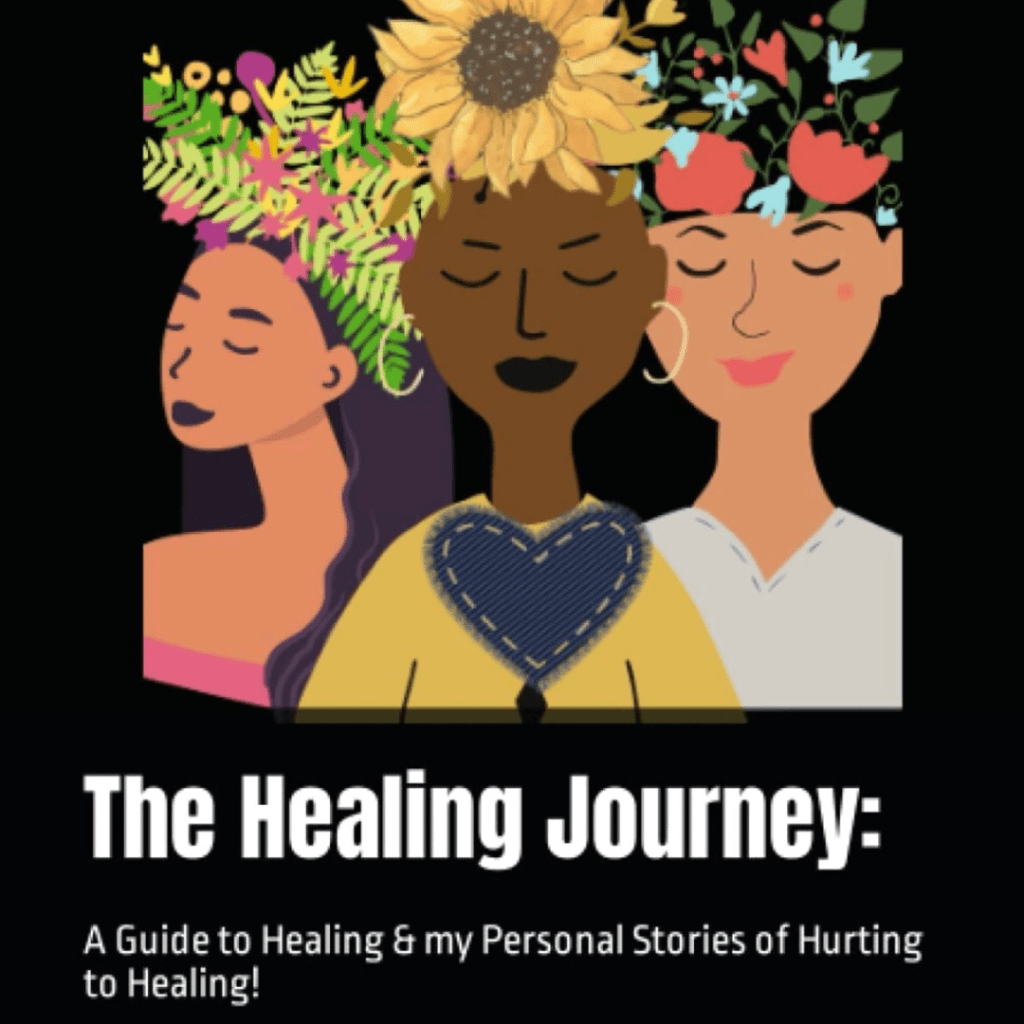
Practicing patience with yourself will influence whether you experience prolonged suffering or simply embrace another life lesson that you can learn from. From my personal experience, as well as insights shared in my book The Healing Journey, I want to emphasize that healing is a gradual process. While the pain may feel overwhelming right now, it will diminish as you work through and grow from the experience. You may not feel okay overnight, or even within a month, but trust me—eventually, you will be alright, and this breakup will become a distant memory. I can say this confidently because I have navigated similar challenges while caring for small children who depended on me. If I was able to do it, I believe you can too. Remember, it’s important to be gentle with yourself during this time. Healing doesn’t follow a linear path, and it’s perfectly okay to have ups and downs along the way. Allow yourself to move at your own pace, without comparing your journey to anyone else’s. Each person’s healing process is unique, and what works for one may not work for another.
Finally, embrace the idea that being single is not synonymous with being alone or incomplete. It’s a chance to become the best version of yourself, to focus on your happiness and fulfillment. Whether you choose to spend this time indulging in hobbies, traveling, or simply taking a breather, remember that your happiness does not depend on another person. Embrace this season of life as a gift, one that leads to self-discovery and a deeper understanding of your own heart.
-With Love
Shell (Happy Holidays)

Leave a comment