Life is a journey filled with countless diverse paths. Throughout my own journey, I have navigated many roads, including those of depression, stress, happiness, sadness, and even euphoria. Along these various routes, I found myself losing my identity in toxic relationships, motherhood, betrayal, trauma, and grief. It took me several years to reach a breaking point where I could no longer endure the suffering and chose to rediscover myself. I yearned to uncover my true identity.

I once knew who I was, but after facing trauma, I found myself questioning my identity: Who am I now? What is my purpose? I would often gaze into the mirror, grappling with these thoughts. Then, during the COVID lockdown, I suddenly broke down in tears while sitting on the couch. I couldn’t explain why I was crying, but I felt disconnected from myself. In that moment, I grabbed my notebook and began journaling.The words flowed out of me like a long-held breath, capturing emotions I had buried deep within. As I wrote, I started to unravel the tangled threads of my thoughts and feelings, allowing myself to explore the vulnerabilities I had been avoiding. Journaling became a refuge, a place where I could freely express myself without fear of judgment.
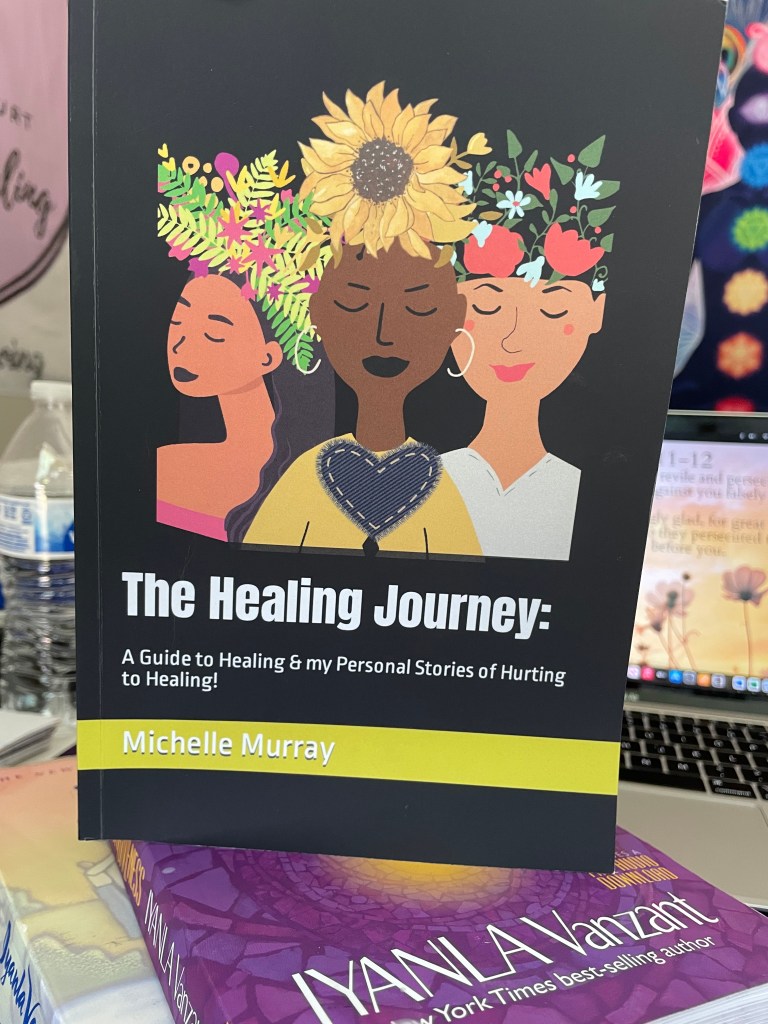
Through this process, I began to understand the importance of self-reflection and introspection. It was as if I was slowly peeling back the layers of my past, revealing glimpses of the person I was meant to become. Each entry in my journal served as a step forward, guiding me toward a clearer sense of identity and purpose. I realized that the journey to rediscovering myself was not about finding a definitive answer to “Who am I?” but rather about embracing the evolution of my identity. It was about accepting that I was a work in progress, shaped by my experiences, challenges, and triumphs. With each page I filled, I found a little more clarity, a little more peace, and a renewed sense of hope for the future. In that moment of tranquility, I started writing The Healing Journey to share my sense of peace and the methods I used to achieve it, which included journaling, self-reflection, and therapy. By utilizing therapy and journaling as tools, I gained control over my life and began to prioritize my mental health. Putting my thoughts and experiences into words allowed me to not only process my emotions but also to connect with others who might be experiencing similar struggles. Writing The Healing Journey became a form of therapy in itself, offering me a sense of purpose and direction.

As I wrote, I understood that healing is not a linear path; it involves ups and downs, moments of clarity, and times of confusion. Yet, through it all, I learned the importance of being gentle with myself and embracing the journey as it unfolded. Sharing my testimony has been my way of illuminating the path for others, providing hope and reassurance that even after the darkest storms, there is light. Trauma can often leave you feeling lost and stuck, but I want to assure you that moving forward is possible. From my experience, it’s essential to research and gain a deeper understanding of trauma to navigate its effects. I’ve learned that trauma doesn’t have to define you; instead, it can serve as an opportunity for personal growth. If you’re dealing with trauma, I encourage you to start exploring its impact on your life. This way, you can confront and address those challenges directly.
Understanding the Impact of Trauma:
Trauma can leave deep emotional scars that influence how we perceive ourselves and the world around us. It may disrupt our sense of safety and self-worth, leading to feelings of confusion and loss. Acknowledging the impact of trauma is the first step towards healing. It’s important to recognize that these experiences do not define who we are but instead can be a part of our story that shapes our future growth. By confronting these scars and understanding their origins, we empower ourselves to reclaim our narratives and move forward with newfound strength. I began the journey of reconnecting with myself by prioritizing self-care and engaging in hobbies that bring me joy, such as writing, excersising, and spending time in nature. Choosing healing through self-discovery was not an easy path, but it has proven to be worthwhile. Rediscovering oneself is a journey that demands a commitment to face emotions that can sometimes feel overwhelming to handle. Reclaiming your identity after trauma is a journey that demands patience and self-compassion, recognizing that progress is often gradual and nonlinear. If you feel as though you have lost your sense of self, consider participating in practices that enhance emotional well-being, like therapy, meditation, or creative outlets. These channels can be incredibly helpful for processing complex emotions. I understand how challenging it can be to move from a state of trauma to experiencing true freedom from its limitations. To assist you on this journey, I will share some tips on self-rediscovery and embracing your new identity after trauma that have been beneficial for me. Additionally, I recommend my books, The Healing Journey and Embracing the Shadow, which is a shadow workbook, both authored by me.
The Journey to Self-Rediscovery:
1. Acceptance and Acknowledgment
Before embarking on the journey of self-rediscovery, accepting and acknowledging the trauma is crucial. This process involves recognizing the pain and understanding that it’s okay to feel vulnerable. Acceptance doesn’t mean resignation; rather, it signifies a willingness to move forward.
2. Seeking Support
Trauma can feel isolating, but it’s important to remember you’re not alone. Seeking support from therapists, support groups, or loved ones can provide a safe space to express emotions and gain insights. Professional guidance can be invaluable in navigating the complexities of trauma and finding paths to healing.
3. Embracing Self-Compassion
Self-compassion is a powerful tool in the healing process. It involves treating oneself with kindness, understanding, and forgiveness. By nurturing a compassionate relationship with yourself, you create a foundation for growth and transformation. Embrace imperfections and celebrate small victories on the path to rediscovery.
4. Exploring New Interests
Trauma can alter our perspectives, creating an opportunity to explore new interests and passions. Engaging in activities that bring joy and fulfillment can help rebuild a sense of identity. Whether it’s painting, writing, hiking, or volunteering, discovering new hobbies can be therapeutic and invigorating.
5. Redefining Personal Boundaries
Trauma often challenges our personal boundaries. Rediscovering oneself involves redefining these boundaries to align with the person you are becoming. Establishing healthy limits in relationships and activities ensures a supportive environment that respects your needs and fosters growth.
Embracing a New Identity After Trauma:
1. The Power of Storytelling
Sharing your story can be a cathartic experience, offering empowerment and inspiring others who may be on a similar path. Whether through writing, speaking, or art, storytelling allows you to reclaim your narrative and find meaning in your experiences.
2. Setting New Goals
Trauma can shift your priorities and life goals. Take time to reassess and set new, meaningful goals that align with your current values and aspirations. These goals can serve as a roadmap for the future, providing direction and motivation.
3. Celebrating Growth
Acknowledge the progress you’ve made along the way. Celebrate your achievements, no matter how small, as they reflect your inner strength and determination. This positive reinforcement can help solidify your new identity and boost your confidence.
4. Mindfulness and Presence
Practicing mindfulness helps ground you in the present moment, reducing anxiety and promoting a sense of peace.Techniques such as meditation, yoga, or deep-breathing exercises can help cultivate mindfulness, allowing you to appreciate the beauty of the present while healing from the past.
5. Practicing Gratitude
Gratitude can shift your focus from what’s lacking to what you have gained. Regularly practicing gratitude helps you appreciate the positive changes in your life and reinforces your new identity. Consider keeping a gratitude journal or sharing your gratitude with others to cultivate a positive mindset.
I genuinely hope this blog connects with someone and provides the support they needed today. If you haven’t yet, please explore my collection of books at iamcoachshell.com. Your support means so much to me.
-Shell


Leave a comment